
Mimosa hostilis root bark is legal to buy in the Netherlands, and in no other country covered here can a buyer be confident that it is. The reason is DMT (N,N-dimethyltryptamine), which the bark contains and which is a controlled drug in every one of these countries. Only France and the US state of Louisiana name the tree in law; everywhere else, the status of the bark follows from how the DMT rules deal with plant material. We checked each statement below against the legal text or a court record on 16 October 2026. This is information, not legal advice.
At a glance
| Country | DMT | Root bark, for a buyer | Main source |
|---|---|---|---|
| Netherlands | Opium Act, list I | legal to buy and import; extracting DMT or making a drink is not | DRUGSinfo; Opiumwet |
| United Kingdom | Class A | uncertain: whether bark is a "preparation" of DMT has never been settled | Court of Appeal, 2012 |
| United States | Schedule I | federal wording covers "any material" containing DMT; Louisiana names the plant | 21 CFR 1308.11; La. R.S. 40:989.1 |
| France | narcotic | Mimosa hostilis itself is listed as a narcotic | ANSM consolidated list, 2026 |
| Germany | Anlage I | plant parts controlled when intended for intoxication | BtMG; LG Würzburg, 2022 |
| Belgium | annex IIA | no plant clause; status of raw bark unclear | royal decree of 6 September 2017 |
Why no treaty settles it
DMT is in Schedule I of the 1971 UN Convention on Psychotropic Substances (INCB Green List). Plants are another matter. The International Narcotics Control Board wrote in its 2010 annual report that "no plants are currently controlled" under that convention, and that preparations made from such plants "are also not under international control" (INCB Annual Report 2010, para. 284). Each country decides for itself, and there is no single EU list.
Netherlands
The Opium Act (Opiumwet), in the version in force since 17 September 2026, lists "N,N-dimethyltryptamine, DMT" on list I, together with "preparaten die één of meer van de bovengenoemde substanties bevatten", preparations containing a listed substance. Mimosa is not named (wetten.overheid.nl).
DRUGSinfo, the public information service of the Trimbos Institute, states that "Planten die DMT bevatten mogen legaal ingevoerd worden in Nederland": plants containing DMT may legally be imported into the Netherlands. It also states that possessing or extracting DMT is prohibited, and that preparing and serving ayahuasca is prohibited (DRUGSinfo). In 2019 the Supreme Court upheld a conviction for importing more than 30 kg of ayahuasca tea for a church (Hoge Raad, ECLI:NL:HR:2019:1456). That case was about the finished drink, not raw bark.
For a buyer in the Netherlands: buying, owning and importing the bark is legal. Extracting anything from it, or making a drink, is not.
United Kingdom
The Misuse of Drugs Act 1971 lists "N,N-Dimethyltryptamine" as Class A, and paragraph 5 adds "Any preparation or other product containing" a Class A substance (Schedule 2). The tree is not named.
In R v H [2012] EWCA Crim 525, decided on 2 March 2012, the Court of Appeal considered powdered root bark. According to the case summary of the London Criminal Courts Solicitors' Association, the court found "no legal certainty" about whether powdered Mimosa hostilis bark was an unlawful preparation, and held that trying the defendant for importing and distributing it was an abuse of process (LCCSA summary). We read the summary, not the full judgment. The ruling stopped one prosecution; it did not declare the bark legal.
A second law sits behind it. The Psychoactive Substances Act 2016 makes it an offence to import a psychoactive substance for consumption (section 8), and exempts controlled drugs (Schedule 1). If bark is not a controlled drug, that Act may apply instead. No court has tested this for root bark.
For a buyer in the UK: the legal position is uncertain in both directions. Do not order bark to the UK.
United States
Federal law places "Dimethyltryptamine" (DEA code 7435) in Schedule I, and the schedule applies to "any material, compound, mixture, or preparation, which contains any quantity of" a listed hallucinogen (21 CFR 1308.11(d); 21 U.S.C. 812). On that wording, bark containing DMT is covered. The DEA's own DMT fact sheet, dated December 2025, does not mention the tree (DEA Diversion).
One state names it. Louisiana lists "Mimosa hostilis" among its hallucinogenic plants and creates offences for any material containing such a plant that is "intended for human consumption"; plants kept for decorative or landscaping purposes are exempt (La. R.S. 40:989.1).
The Supreme Court ruling in Gonzales v. O Centro Espírita Beneficente União do Vegetal (21 February 2006) concerned one church's use of a DMT-containing tea under religious-freedom law (546 U.S. 418). It changes nothing for other buyers.
For a buyer in the US: do not order bark. Other state laws were not checked one by one.
France
France names the tree. The consolidated list of narcotics published by the medicines agency ANSM, updated 26 June 2026, includes "Mimosa hostilis" in annex IV, alongside other ayahuasca plants, with "leurs préparations" (ANSM, liste des stupéfiants). The listing goes back to a ministerial order of 20 April 2005. An ANSM decision of 6 February 2026 rewrote the entry and added "Ayahuasca" to it (ANSM).
For a buyer in France: the bark is a narcotic. So, on the wording, is the plant. Do not order bark or seeds to France.
Germany
The Narcotics Act lists "N,N-Dimethyltryptamin" in Anlage I and covers plants and plant parts that contain a listed substance "wenn ein Missbrauch zu Rauschzwecken vorgesehen ist", when they are intended for intoxication (BtMG, Anlage I).
A regional court applied this to the bark. On 26 October 2022 the Landgericht Würzburg held that merely possessing or selling Mimosa hostilis is not punishable on its own, and that the intended use decides. The defendant in that case was convicted, for importing and trading bark and powder from Brazil with intoxication in view (LG Würzburg, 8 KLs 822 Js 14426/19).
For a buyer in Germany: legality turns on intent, which is judged afterwards by others. Do not order bark to Germany.
Belgium
The royal decree of 6 September 2017 on narcotics and psychotropic substances lists DMT in annex IIA. It has no general clause for plant parts; its only plant provision covers growing plants from which listed substances can be extracted (Belgian Official Journal, 26 September 2017, page 88177; consolidated decree). Whether raw bark counts as a "preparaat" under the decree is not settled in any ruling we found.
For a buyer in Belgium: unclear. Do not order bark to Belgium.
Other countries
We have not checked each EU member state. Look up the national drug law or ask the national drug information service before you order anything. Avalon Magic Plants states in its terms that its products are legal in the Netherlands, that it makes no claims about other countries, and that a buyer certifies that import into their own country is legal (Avalon terms).
What this site offers, and to whom
The bark linked on this site is offered for a stay in the Netherlands, to adults, as the shop sells it: a dye and tanning material and a botanical specimen, "not sold or intended for the purpose of human consumption". Taking it abroad brings it under the law of the country you take it to. This site gives no instructions for extracting, preparing or dosing DMT and does not link to them.
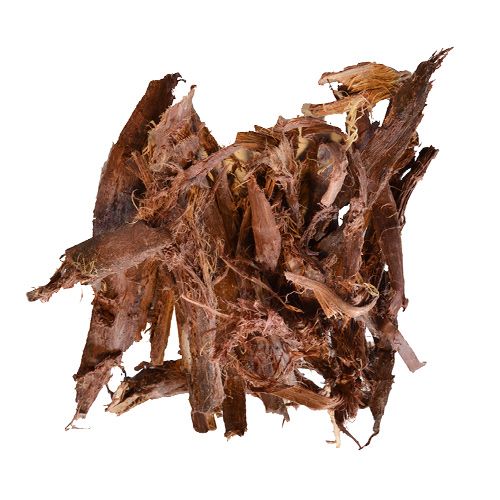 Mimosa hostilis - Inner root bark | Jurema Preta
View in shop
Contents#5971
Mimosa hostilis - Inner root bark | Jurema Preta
View in shop
Contents#5971
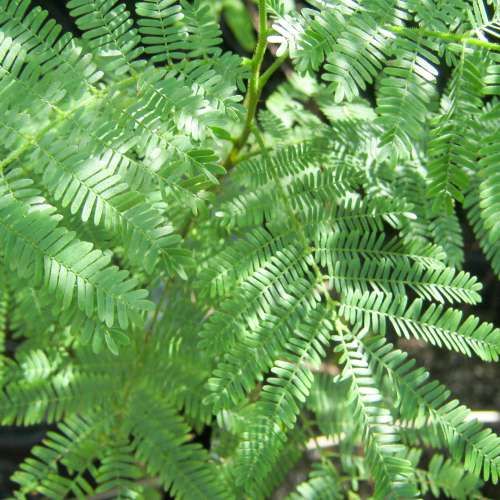 Mimosa Hostilis (Jurema Preta) 10 Seeds
View in shop
Mimosa Hostilis (Jurema Preta) 10 Seeds
View in shop
Laws change. If you read this long after 16 October 2026, check the current text in your country. Next on the route: the buying guide, for the last leg in the Netherlands.